
Table of Contents
Beginning
The TPMS light (tire pressure monitoring system) is a vital safety feature that comes with almost every new car that warns the driver not just to the low tire pressure but also to the fault in the tires or the system. But more often the light is found on the dashboard when tires are indeed good, which can be a real nightmare and frustration. Knowing the reason for this light will not only help you to prevent tire damage but also keep you safe while driving.
TPMS warning light flashing is not always the case when tire pressure is low; one can experience such a situation because of sensor malfunction, temperature variations, or glitches in the software of the vehicle’s monitoring system. It becomes quite easy for the driver to decide on the action that will solve the problem and put things back to normal when the cause has been uncovered. In this article, we cover how the TPMS system gives out warning signals to the vehicle which are almost unheard-of, and we show what to do in such situations.
Introduction to TPMS Light
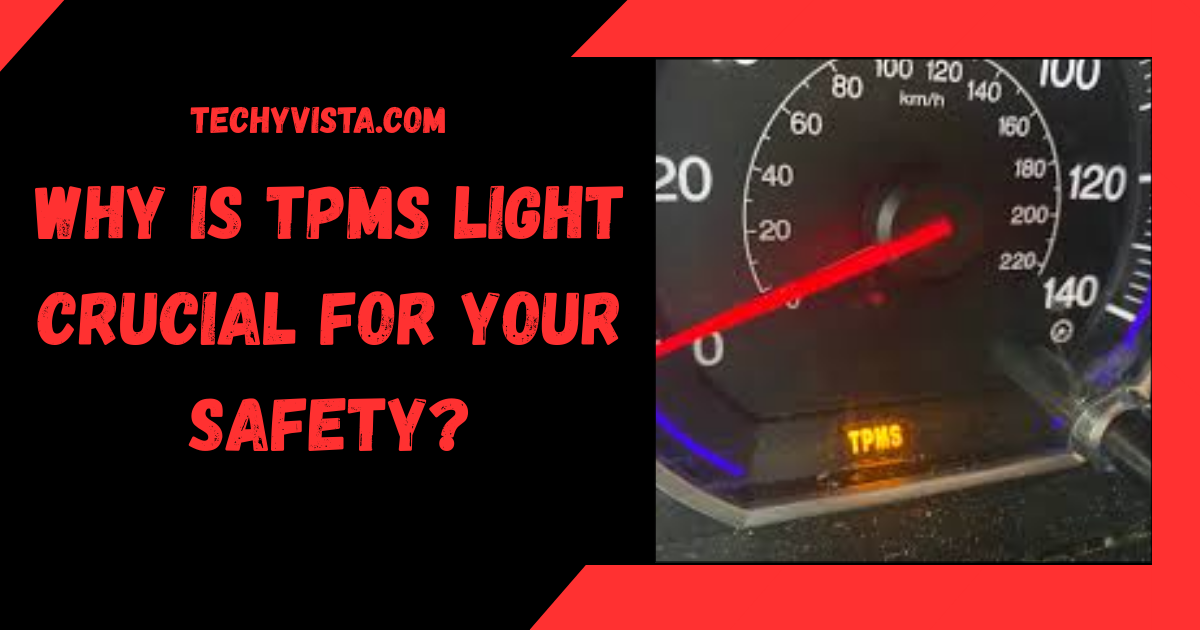
What Exactly Is a TPMS Warning Light?
The TPMS light is not only an important safety feature that prevents blowouts and stabilizes the vehicle’s handling but also reminds people of checking the system or refilling the tire pressure. The driver must not overlook the TPMS-light that is lit up. The driver must be highly attentive to the warning light and rectify the situation immediately.
How Do Modern TPMS Protect You?
The TPMS- light is a link between the systems in the car that monitors the tire pressure, and it may give indications to the driver about the malfunctioning or the improperly inflated tires. Using the light signal as a warning is a preventive measure which notifies the driver in case of a tire burst, he or she losing control over the car and while consuming fuel unnecessarily.
Why is TPMS A Key Safety Indicator?
TPMS-lights are indispensable alerts because they provide early warning of tire failure, thus preventing very dangerous situations. The possibility of blowouts and accidents occurring, besides that, the uneven tire wear is minimized. Additionally, the driver gets an early warning and he/she might then take instant action. The correct inflation of tires is really important for the vehicle in terms of its safety and performance.
Common Reasons TPMS Light Turns On
Low Tire Pressure or Hidden Leaks
Invisible leaks in the tires can cause the air pressure to be too low, which is perfectly detected by the TPMS (Tire Pressure Monitoring System) light and will allow the systems to report the issue even if the leak is a very slow one. Even a slight decrease in pressure can be signaled by the alert system. One should measure the air pressure in the tires and inspect them for leaks regularly so as not to fall victim to false alarms.
Sensors and Wiring Issues Malfunction
TPMS has sensors and wires to carry out the necessary functions of the tire pressure. The light can be turned on in the case of bad sensors, dead batteries, or broken wiring even when the tire is in really good shape. You need to determine the exact nature of sensor issues without delay in order not to keep getting warnings. The parts that are harmful to the system’s performance should be either replaced or repaired.
What impact extreme weather can have on your TPMS
A change in temperature may have an impact on the pressure in your tires and this will cause the TPMS light to come on. With colder weather, you usually have lower tire pressure whereas with warmer weather tire pressure goes up. In case the TPMS device is oversensitive, it can result in the user getting false alarms from temperature variations. One should keep a close eye on the tire pressure during changes in season so as to be always in a position to get the right alerts and be safe at the same time.
The TPMS Indicator Light is a Vehicle Safety Feature
The TPMS light is very effective in vehicle safety as it informs the motorist of the tire pressure which is not normal. The end product of this process will be an automobile that is completely safe for driving, therefore the chance of the accident will be greatly reduced as the brake, the handling, and the stability would be at their best. You will be able, for instance, to avoid tire blowouts, uneven tire wear, and waste of fuel caused by low tire pressure through the use of a tire pressure monitoring system. This system, rendering real-time notifications, allows drivers to stop the progression of small defects into dangerous ones. Besides this, there are also some TPMS units that integrate with vehicle computer systems to check for sensor errors or a sudden drop in pressure. Observing this warning may considerably extend the lifespan of the tires and at the same time, it will be a plus in your repair cost. The TPMS indicator light is, after all, a warning system at the earliest stage which safeguards not only the driver but also the passengers.
Diagnosing and Troubleshooting TPMS Light
Using Advanced TPMS Diagnostic Tools
Advanced TPMS diagnostic kits are capable of interpreting the error codes sent by your vehicle’s sensors. Besides, with these devices, you can check if the sensors are malfunctioning or if there is a problem with the system. Essentially they are instruments for professional mechanics and highly skilled drivers to identify issues with supreme precision. The reliability of TPMS can be verified through frequent system scanning.
Manual Tire Pressure Checks and Tips
It is a manual tire pressure check which is a very simple yet very effective method. It needs only a basic tire gauge. Inspect the spare tire as well and inflate all tires to the manufacturer’s specifications. Periodic checking will get rid of false TPMS alerts and also keep up the performance. Not only that, but properly inflating your tires also reduces fuel consumption.
Identifying Sensor Failures Quickly
Usually, the erratic behavior of the TPMS light is due to a faulty sensor. In case you are getting these alerts frequently or the readings are quite different, then it is the right moment to replace the sensor. The system will return to its normal functioning by changing the damaged sensors.
How to Maintain Your TPMS System?
For the purpose of securing your car and keeping it in good working order, it is absolutely necessary to take care of your TPMS (Tire Pressure Monitoring System) the right way. Checking the tire pressure is the foremost and the most important action done every month or before a long journey. Besides, one should examine the TPMS light components not only for any corrosion or physical damage but also it is necessary to replace batteries as per the manufacturer’s guidelines. TPMS must be manually set to prevent false alarms after changing or rotating tires. Cars with state-of-the-art software depend on ECU interaction for precise readings, hence you should always have your vehicle’s software updated. Extreme temperature changes should be avoided as much as possible since sudden variations may cause false alerts. Therefore, by only heeding these simple points, your TPMS system will be trustworthy all the time hence accidents will be prevented as well as tire damage saved from becoming costly.
The Impact of TPMS Light on Driving Safety
How Low Tire Pressure Affects Braking?
Low tire pressure causes the tires not to get adequate contact with the ground surface which can result in a longer braking distance. Additionally, the traction of the car is reduced and the steering is less responsive. These factors contribute to making emergency stops more dangerous and the chances of getting into a collision rising.
Preventing Tire Blowouts and Accidents
Blowouts of tires are among the leading factors arising from insufficient tire pressure together with the increased risk of accidents. In other words, the under-inflation of tires was resulting in overheating and gradual destruction of the tire. This effect is, in addition, one of the causes of the early tire wear. Additionally, worn tires idle when under-inflated, endangering the motor from working harder, thus rendering fuel at a quicker pace.
Fuel Efficiency and Vehicle Performance
One of the consequences of low tire pressure that a TPMS light indicates is the decreased fuel economy of the vehicle caused by the increased rolling resistance. On top of that, the engine’s performance may be affected and the tires may wear out unevenly. Being in a well-inflated and regularly maintained state of the tires is the way to have a nice and comfortable trip as well as get more mileage from the tires.
Why does TPMS Light On When Tires are OK?
It is quite puzzling and even annoying when the TPMS warning light comes on despite the tires being properly inflated and the pressure gauges indicating the right figures. However, this is possible for a number of reasons. For example, one way in which drivers can be falsely warned of a tire issue is through the worn-out or low-powered batteries in the TPMS sensors, which will also cause sensor failures to deliver incorrect readings. When the weather turns cold and the mercury drops, surprisingly, this could result in the TPMS light going on without there being any real safety issue because in such conditions the rubber could be stretched and it would cause the light to flicker. Also, the ECU or program flaws can send false signals to the driver that a tire problem is detected. If the wheels have been turned over or changed recently, the devices may not be in perfect harmony, which will give rise to the indications. It is also possible for some cars to have the indicator come up temporarily as the result of either driving at high speeds or the changes in the weather during the time the driver is outside the car. A driver who is aware of these reasons will be able to react appropriately and, therefore, avoid any worries or unnecessary expenditures.
Advantages and Disadvantages of TPMS Systems
Advantages: Safety Increase and Reliability
TPMS light has safety features that alert the driver of low tire pressure which can prevent accidents and costly repairs and also the system can help in preserving the fuel efficiency and extending the life of the tires. TPMS also activates a continuous real-time surveillance of each tire of the vehicle.
Disadvantages: Faulty Sensors or False Alerts
However, TPMS invalid alarms can be the result of sensor failure or a dead battery. TPMS error can engender annoyance or a trip to a service station unnecessarily. It can take a while and cost a lot to fix or change a defective sensor. When you know these limitations you can be sure that your car will function correctly.
Future Innovations in TPMS Light Technology
TPMS Light technology is evolving very fast, and the result is the creation of what can be considered as smarter, more accurate, and fully integrated vehicle monitoring systems. In the new models, highly efficient sensors will be capable of providing real-time tire health analytics, thus enabling the very earliest indication of low air pressure, high temperatures, and even tread wear that is the result of critical issues in their late stages. AI and vehicle network connectivity will facilitate maintenance by issuing predictive alerts directly to drivers’ smartphones or on-board displays. Electric vehicles (EVs) and hybrid cars nowadays are equipped with TPMS sensors that are energy-efficient and capable of maximizing the battery life. It is, therefore, likely that smart TPMS systems will soon be linked to other safety features, e.g., stability control and autonomous driving systems, thus a higher level of vehicle safety is achieved. There are also sensors considered by the OEMs that are self-calibrating and can be automatically reset after the tire rotation or replacement.
Frequently Asked Questions About TPMS Light
What Does the TPMS-Light Mean?
If the air pressure in one or all of the tires is lower than the recommendation or hence the TPMS is malfunctioning, the TPMS warning light goes off. Besides, it may indicate a sensor fault or system error occurring. So, it is vital to properly interpret this signal as it not only prevents tire damage but also enhances the safety of driving.
Can I Safely Drive With the TPMS-Light On?
How bad or good the situation would be if you drive with the TPMS light on depends on the reasons behind it. Sometimes one can even take a short trip after a slight pressure problem and it is usually regarded as being safe. On the contrary, if the illumination of the warning light stands for a sensor defect or extremely low pressure, one should sort it out right away in order not to get into a car accident.
How Often Should TPMS Sensors Be Checked?
During routine tire maintenance, TPMS sensors should be considered for inspection, with every 6-12 months or for a tire replacement. Seasonal temperature shifts can influence the precision of the sensor. But, performing checks regularly guarantees their correct function and also prevents false alarms or danger situations from happening.
Conclusion
In conclusion, the TPMS warning light is a valuable safety indicator which not only tells the driver of any tire problems but also shows that the tires look fine. The unexpected illumination of the light is generally due to sensor malfunctions, software faults, or external factors rather than a decrease in tire pressure. When the drivers are aware of the reasons, they can respond appropriately without panicking. It is a combination of regular tire maintenance, sensor checks, and TPMS resets that will prevent the system from being alerting unnecessarily and will keep it functioning properly. Quickly dealing with the root cause not only helps the car to perform better, but also reduces fuel consumption, and increases the safety of all road users. New TPMS technologies can provide more accurate readings and even issue warnings before the problem occurs. So ultimately, monitoring the TPMS-light turns out to be a very rewarding practice for the drivers as it keeps their tires in a good state, thus preventing both accidents and costly repairs.