
Table of Contents
Beginning
The modern car’s one of the most important parts is the evaporative emission control system or simply called EVAP system; this system prevents uncollected fuel vapors from getting into the atmosphere. The functionality of the EVAP-system is not only cutting down on the atmospheric pollution since the vapors are captured and recycled but also saving the money spent on fuel. The correct operation of the system guarantees that a car is not only friendly towards the environment but also able to comply with the strictest emission limits imposed by the officials.
The EVAP-system packs a punch as far as the environment is concerned since it also significantly boosts the vehicle performance. Maintaining the fuel vapor pressure at the optimum level thus improving the engine efficiency is the way it achieves the quieter operation, consumes less fuel, and the engine remains healthier over time. In combination with the ever-advancing automotive technology, current EVAP-systems are getting integrated with smart sensors and diagnostic tools that not only make them indispensable players in performance enhancement but also regulatory compliance.
What Is an EVAP System?
Definition of EVAP-System in Automotive Technology
The EVAP system is a closed emission control system meant to contain and recycle fuel vapors that are widely deployed in current vehicles for environmental compliance. Clearly, the EVAP-system is a silent environmental assistant by reducing the emission of vapors and at the same time ensuring efficient use of the fuel.
Components of the EVAP-System
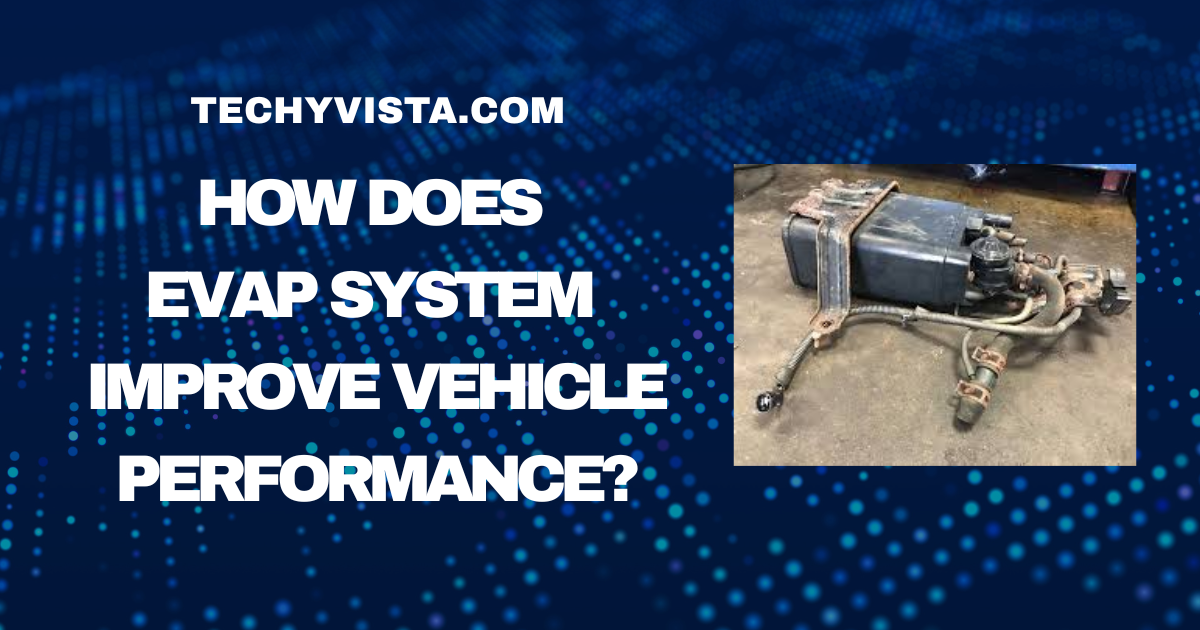
The EVAP-system is a network of different agents that are interconnected to each other. The charcoal canister is the storage unit for the vapors emanating from the fuel tank while the purge and exhaust valves decide when to send the vapors to be burnt in the engine. Certain pieces of equipment are implemented to check the pressure and performance of the EVAP-system thus ensuring it is operating safely and efficiently.
Key Features of an EVAP System
Fuel Vapor Capture and Containment Technology
One of the mechanisms that the EVAP system extensively relies upon to function is a charcoal canister that captures vapors during refueling, and slowly the vehicle emits and burns these vapors as it is driven around. Gasoline Vapor Capture Technology not only prevents the releasing of large amounts of the fuel vapors thus reducing emissions but also allows the engine to consume fuel more efficiently.
Sensors, Valves, and Canisters in Modern EVAP-Systems
In order to work seamlessly, modern EVAP-systems are composed of various parts such as sensors, purge valves, vent valves, and charcoal canisters. Sensors detect vapor pressure and flow, valves determine the time when vapor is released into the engine for combustion. Charcoal canister traps vapors temporarily, so the system may run continuously, thus emissions can be effectively controlled.
Safety and Emission Control Features
The safety features of a car and its emission control system will work at their best to protect you in case of an accident or if there is a problem with the emission control device. If these safety features were to activate, they would most likely result in the prevention of fuel leaks, the lowering of the chances of vapor build-up, and airtight sealing of the system. The EVAP-system not only helps in reducing emissions but also in keeping the levels of fuel vapor within the limits.
Why is EVAP System Important for Vehicle Performance?
EVAP (Evaporative Emission Control) system is generally regarded as the single most significant system present in the modern vehicles because at the same time it contributes to engine efficiency and also to keeping the environment clean. It is a system that gathers fuel vapors from the gas tank and stops them from being released into the air, thus it not only prevents wastage but also makes sure that the fuel is fully used for the engine’s work. This cutoff mechanism is responsible for better fuel economy as well as it aids in keeping the right level of fuel pressure, which is essential for the engine to run smoothly and power to be delivered steadily. Very important for meeting strict environmental standards, the EVAP system not only helps significantly in limiting the emission of harmful gases but also due to better fuel economy. An automobile whose EVAP-system is malfunctioning might face issues like burning of fuel in an ineffective manner, low distance covered per unit of fuel consumed, and increased emission of pollutants.
How Does EVAP System Impacts Performance?
Influence on Fuel Efficiency and Consumption
The EVAP system is an efficient driver as it can trap fuel vapors which were otherwise released into the environment and thus increase fuel mileage and reduce fuel consumption as a whole. As a result of the system, a larger portion of the fuel is utilized in combustion, thus enabling the driver to cover more distance with less fuel consumption. Effective vapor control is not only good for the environment but it also makes a vehicle last longer as it reduces the cost of operating it.
Effect on Engine Performance and Smooth Operation
The EVAP-system that is working in the intended manner greatly helps the engine to operate smoothly by maintaining the stability of the fuel pressure and also eliminating the combustion problems caused by vapors. Having such a system in a good state corresponds to more fluid functioning of the engine thus it will also bring about a reduction in misfires and better acceleration. All these factors contribute to a pleasurable and dependable driving experience as well as to the prevention of a wide range of engine problems.
Role in Maintaining Emission Standards
The EVAP-system is essentially a tool that the car manufacturers and regulators use to keep the vehicles under tight emission standards. It absorbs the fuel vapor and then the vapors are further burnt in the engine resulting in almost zero release of hydrocarbons to the atmosphere. Proper upkeep of the EVAP-system is a condition not only for passing emission testing but also for the vehicle having a smaller carbon footprint.
Cost, Maintenance, and Accessibility of EVAP Systems
Replacement and Repair Costs
Replacing and fixing the EVAP-system involves the cost of different parts, for instance, the charcoal canister, purge valve, and fuel tank lines. Other major factors affecting such a total cost will be the labor charges, the type of the vehicle, and the level of the parts which is why regular servicing and diagnostic checks should be done in time to avoid your wallet taking a hit.
Accessibility of Parts and Service Options
The majority of the components of the EVAP system can be found without difficulty at auto parts stores, car dealerships, or online suppliers which makes it easier to do repairs and change parts. Moreover, qualified mechanics and specific repair shops offer diagnostics as well as do the necessary repairs so that the system continues to function properly and comply with emission standards.
Scalability for Different Vehicle Models
Evaporative systems are designed to fit a variety of vehicle sizes, from a small car to a large SUV or truck. Today’s systems are flexible, and this allows manufacturers to modify the size, capacity, and integration of engine management systems, so performance is consistent across different vehicle models while also controlling fuel consumption and emissions.
Common EVAP System Problems
The EVAP systems have their primary function in carbon emissions capture and thus, in the process keeps the car running. These systems can, however, be troublesome at times and can go through a number of common failures such as a leak in the tank, wear and tear or crack of hoses, vent valves that are either stuck or damaged, and burning charcoal canisters. All these can give rise to symptoms like the smell of gasoline around the vehicle, and illuminated engine light, reduced fuel economy, and difficulty in starting the engine. To pinpoint issues in an EVAP-system, it is standard to combine a visual inspection with specialized diagnostic equipment such as smoke or leak detectors and on-board vehicle scanners that can read trouble codes. Understanding the common faults in the system and performing accurate diagnostics is a must if you want not only to keep your car performing at its best but also to meet the emissions restrictions, avoid expensive repairs, and get the most out of your engine life.
Pros and Cons of EVAP Systems
Advantages of Having an EVAP-System in Vehicles
The primary benefit of an EVAP-system is the capture and recycling of fuel vapors that would otherwise contribute to environmental pollution, thereby saving fuel. It also allows for increased engine performance by creating the correct vapor pressure and reducing the likelihood of fuel being wasted. Additionally, EVAP systems extend the overall life of the vehicle by preventing damage to engine components caused by vapors.
Limitations and Common Issues with EVAP-Systems
EVAP-systems, nonetheless, can break down through their use. Services that eventually fall into this category are leaking hoses or canisters, not working purge or vent valves, and sensor failure. All these faults may turn out to be a cause for less fuel economy, engine performance issues, or activation of a Check Engine light. In certain instances, the repair of EVAP parts may be very costly and thus the use of advanced tools or experts’ help may be necessary for accurate problem identification.
Future Plans and Advancements in EVAP Systems
The future of EVAP systems is predicated on the aspects of greater efficiency, lesser emissions, and the integration of technology that is smarter in the vehicles. The car-makers are coming up with creative solutions to handle fuel vapor in a way that not only enhances the performance of the engine but also cuts down on the fuel loss. One of the innovations entails canisters with longer life, quicker reacting purge valves, and leak detection systems capable of alerting the driver immediately in case of a fault. The rising trend of hybrids and other eco-friendly cars is forcing the EVAP technology to cope with various fuels, thereby ensuring the reliability of emission control across all kinds of powertrains. Besides, the pairing of outstanding sensors with AI is considered to be the game-changer for EVAP-systems in future. The new technologies would be able to perform the tasks of measuring fuel vapor flow, perfect leak detection, and engine performance adjustment simultaneously. It could very well be that the EVAP-systems evolve into more compact models and hence, further increase the efficiency of the vehicle as a whole.
Frequently Asked Questions (FAQS)
How to know whether my EVAP-system is faulty or not?
A defective EVAP system will regularly lead to illumination of the check engine light and might additionally produce a weird smell of gasoline in the vicinity of the automobile. Moreover, such a situation might be accompanied by trouble in starting the vehicle, the engine running roughly, or lower gas consumption. The use of diagnostics tools like an OBD-II scanner will enable you to obtain the codes that are linked to evaporative emissions parts.
Can a Malfunctioning EVAP-System Affect Vehicle Performance?
Certainly, a faulty EVAP-system can negatively affect engine operation and fuel consumption. In the situation where components are leaking or clogged, the vapor pressure of the fuel may change, one of the symptoms that might be experienced is rough idling, stalling, or poor acceleration. A tiny fault can make the engine controller erroneously correct the air-fuel ratio, therefore, the necessity of having a working EVAP-system is underscored.
How Often Should the EVAP-System Be Checked or Repaired?
The EVAP-systems are to be examined frequently, typically in the course of regular maintenance or during emissions testing. A lot of experts suggest checking every 30,000 to 50,000 miles, but diagnostics may be needed more often for older cars or those showing warning signs. Fixing valves, sensors, or hoses quickly is advantageous not only for managing fuel vapors but also for averting issues with the engine and the environment in the long run.
Conclusion
The EVAP system, an advanced technology, significantly boosts vehicle performance and at the same time cuts down the car’s environmental impact. It is a system that absorbs fuel vapors and hence creates no pollution, thus not only assuring that cars fulfill the stringent emission limits but also increasing the economy of fuel and making the engine more reliable. The newest EVAP-systems utilize a mix of sensors, valves, and canisters to control vapors with such precision that it results in quieter operation and a longer engine life. Their incorporation in modern vehicles indicates where automotive technology stands today- at the juncture of performance, economy, and environmental friendliness. Failure of valves, presence of leaks, or malfunctioning sensors are common issues which can lead to not just reduction in engine performance but also activation of the check engine light. For the system to be in a condition where it is functioning at its best, regular maintenance, timely diagnostics, and proper repairs are a must.